

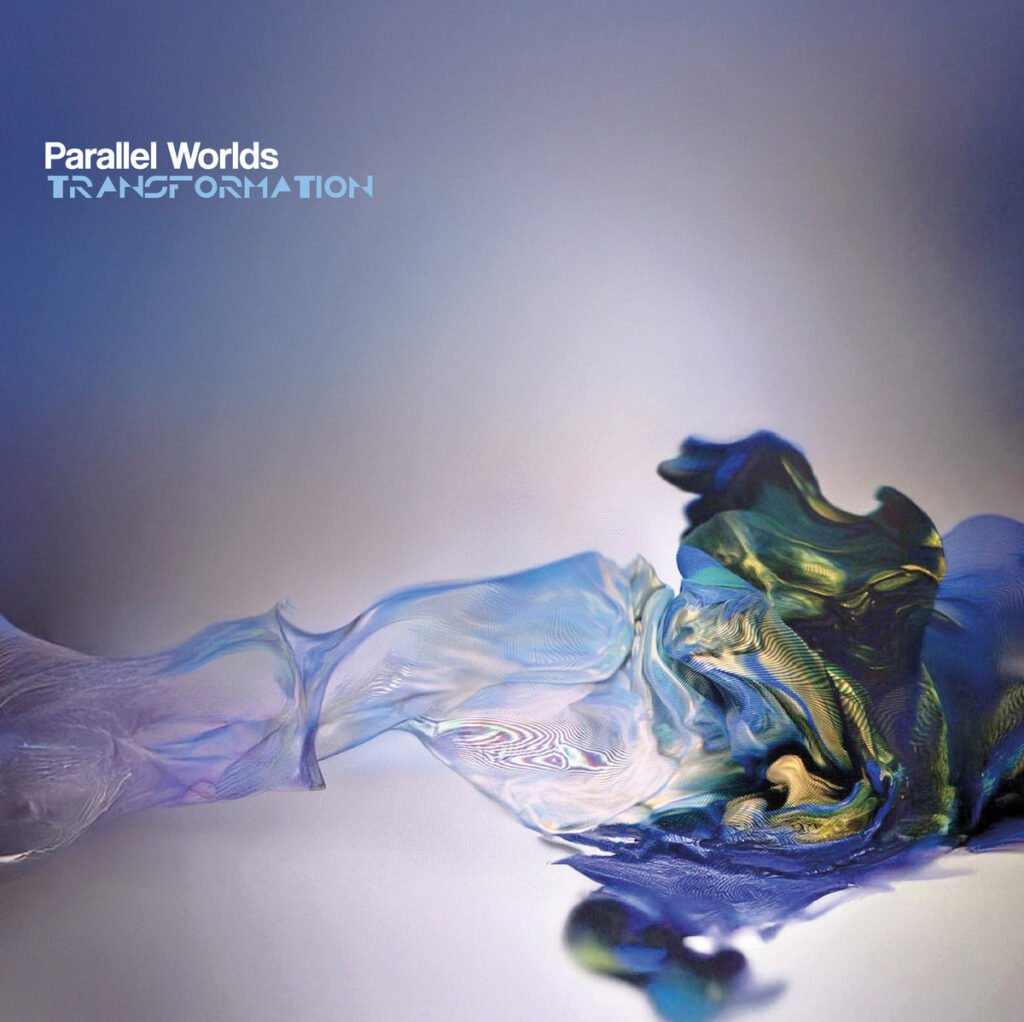
Parallel Worlds returns with Transformation on Neo Ouija, and the album makes its intentions clear early. It is not here to chase big drops, easy hooks, or instant payoff. Instead, it settles into a slow burn world of restraint, odd textures, and carefully shaped tension. This is electronic music that keeps its muscles coiled, always suggesting movement without ever lunging forward. That choice defines the record from start to finish.
Transformation sits comfortably in a lineage that touches classic experimental material, but avoids nostalgia. The production leans dark and minimal, yet never tips into outright menace. What catches one’s attention straight away is the sound design involved. Nearly every track is built from slightly detuned synths, alien metallic plucks, and bass tones that wobble or breathe in subtle ways. Nothing sounds broken for the sake of being broken. These sounds are deliberate, tuned just off-center to give the album its uneasy, dreamlike character.

Rhythm plays a key role, even when it stays understated. Drums are often soft, clicky, and patient, giving the tracks a sense of motion without urgency. Many pieces seem poised to burst open, as if they might suddenly accelerate or turn aggressive, but Parallel Worlds refuses that impulse. The tension comes from waiting, from repetition with tiny variations, from elements drifting in and out of focus. This sense of discipline gives the album its identity. It trusts the listener to stay engaged without being shouted at.
Across the album, there is a strong feeling of space. Sounds are allowed to breathe, and silence becomes part of the arrangement. Bass lines often stretch out in long tones or appear as brief stabs, grounding the music without crowding it. Melodies tend to be simple, sometimes childlike, but warped enough to sound deep, disconcerting, magnetic. The overall mood is dark, though not oppressive. It is closer to the atmosphere of a half remembered dream than a nightmare.
One of the most striking moments arrives with Soft Rain, which shifts the album into a gentler place. This track drops the drums and leans into melody and harmony, offering a pause that feels earned. It suggests neon city lights glistening in the rain, late nights, quiet reflection, warmer & gentler times, and it proves that Parallel Worlds can be organic and inviting without losing character. The emotional weight here comes from clarity rather than density.
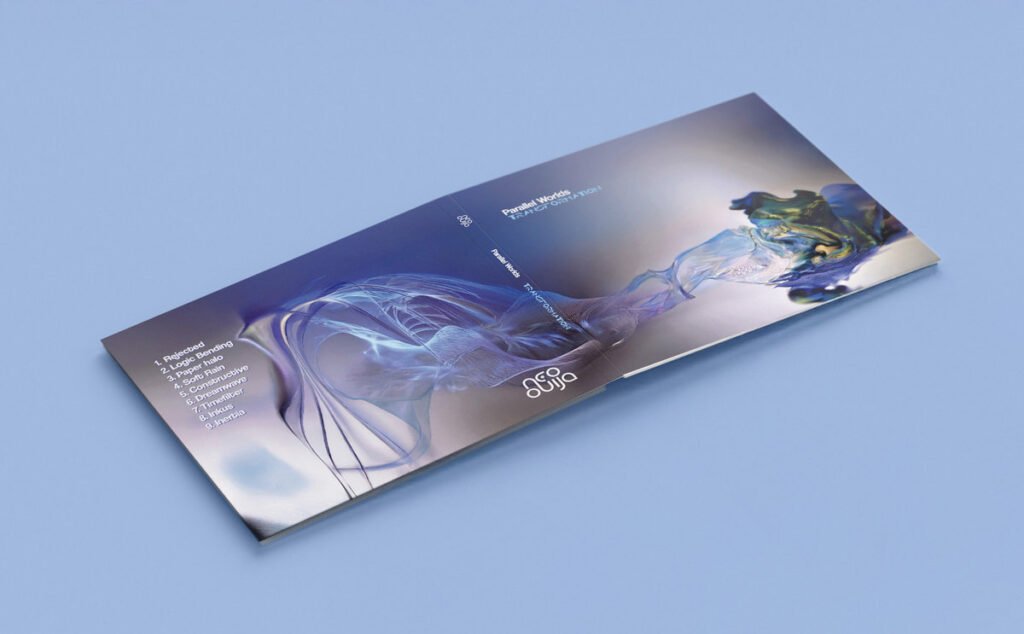
Later tracks return to the album’s core language of restraint and slow evolution. Pieces like Dreamwave and Timefilter underline how committed this project is to patience. Filters move gradually, rhythms build and then recede, and ideas are revisited rather than discarded. Even when the album edges toward a cinematic tone, especially in moments that hint at classic horror or thriller soundtracks, it never becomes dramatic for its own sake.
The closing stretch, particularly the ambient drift of Inertia, seals the deal. This is music that values mood over spectacle. Pads smear and shift, bass rumbles quietly beneath the surface, and time seems to stretch. There is no grand finale, just a steady fade into atmosphere, which suits the album perfectly.
Transformation is a confident record that knows exactly what it wants to be. It will reward listeners who appreciate subtlety, careful sound design, and tension built through control rather than excess. Parallel Worlds has delivered an album that stays in your head not because it screams for attention, but because it convincingly insists on being heard.
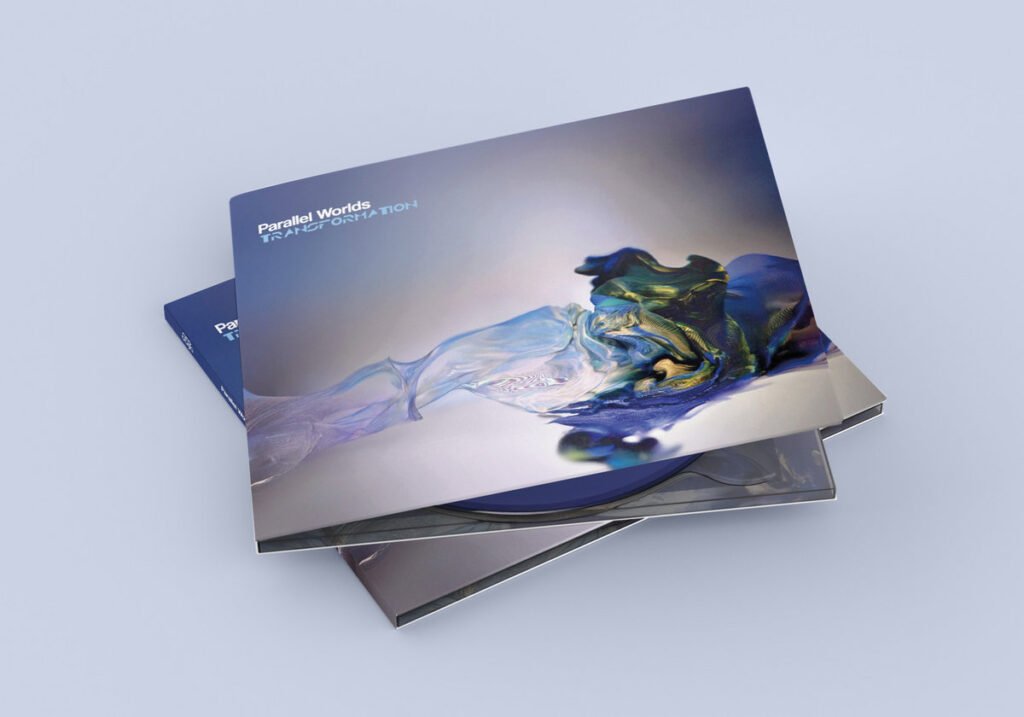
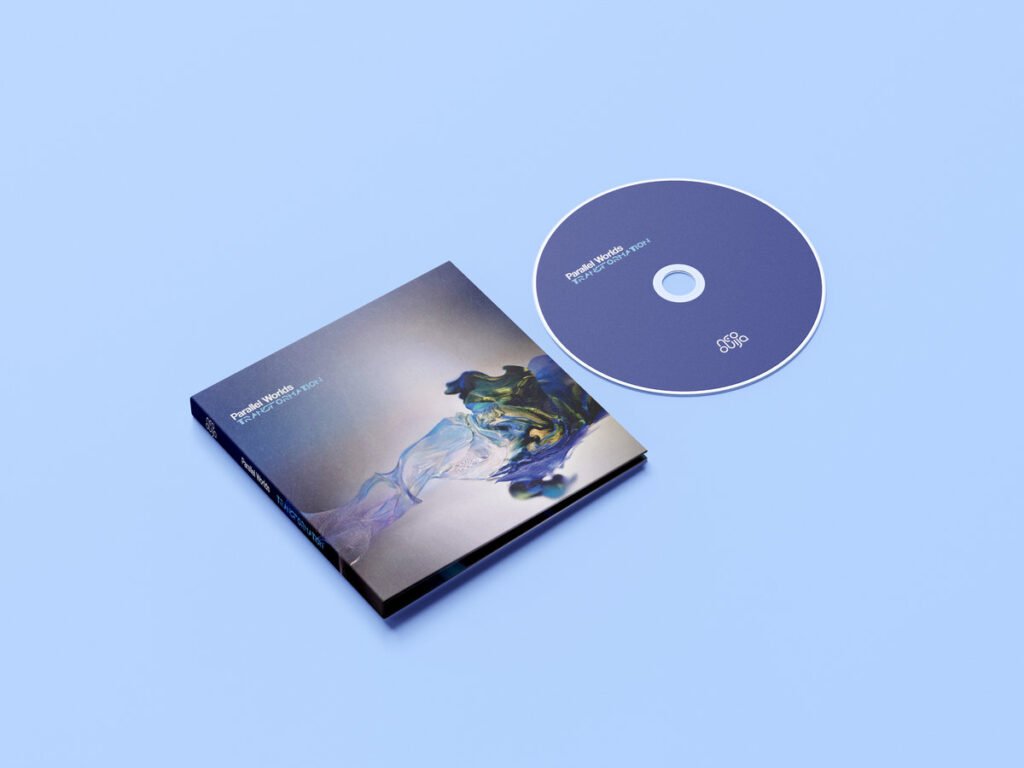
Transformation by Parallel Worlds was released on Neo Ouija