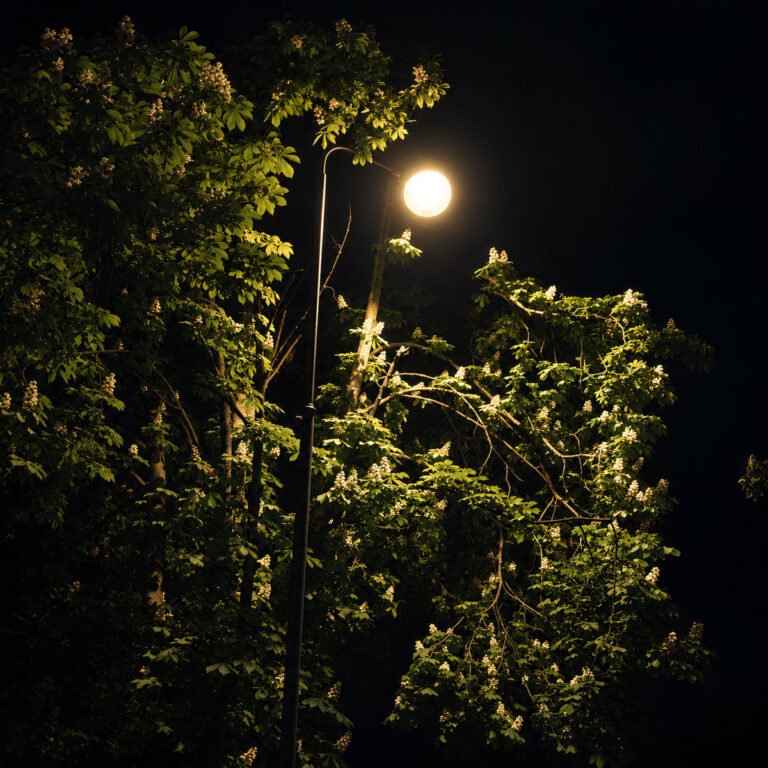
Every rock collection remembers the shoebox: a quartz sliver chipped from a roadcut, a dark lump that might have fallen from the sky (or off a lorry; provenance, in those years, was a matter of conviction), each labelled in biro and filed by no system beyond I found this at X spot. The rockhound’s shoebox matures into a cabinet, the biro into archival ink, and the keeper learns the connoisseur’s secret: nothing in the drawer needs to match, because the pleasure lies in adjacency, a glassy chalcedony beside a grumbling basalt, the lamplight settling the argument.
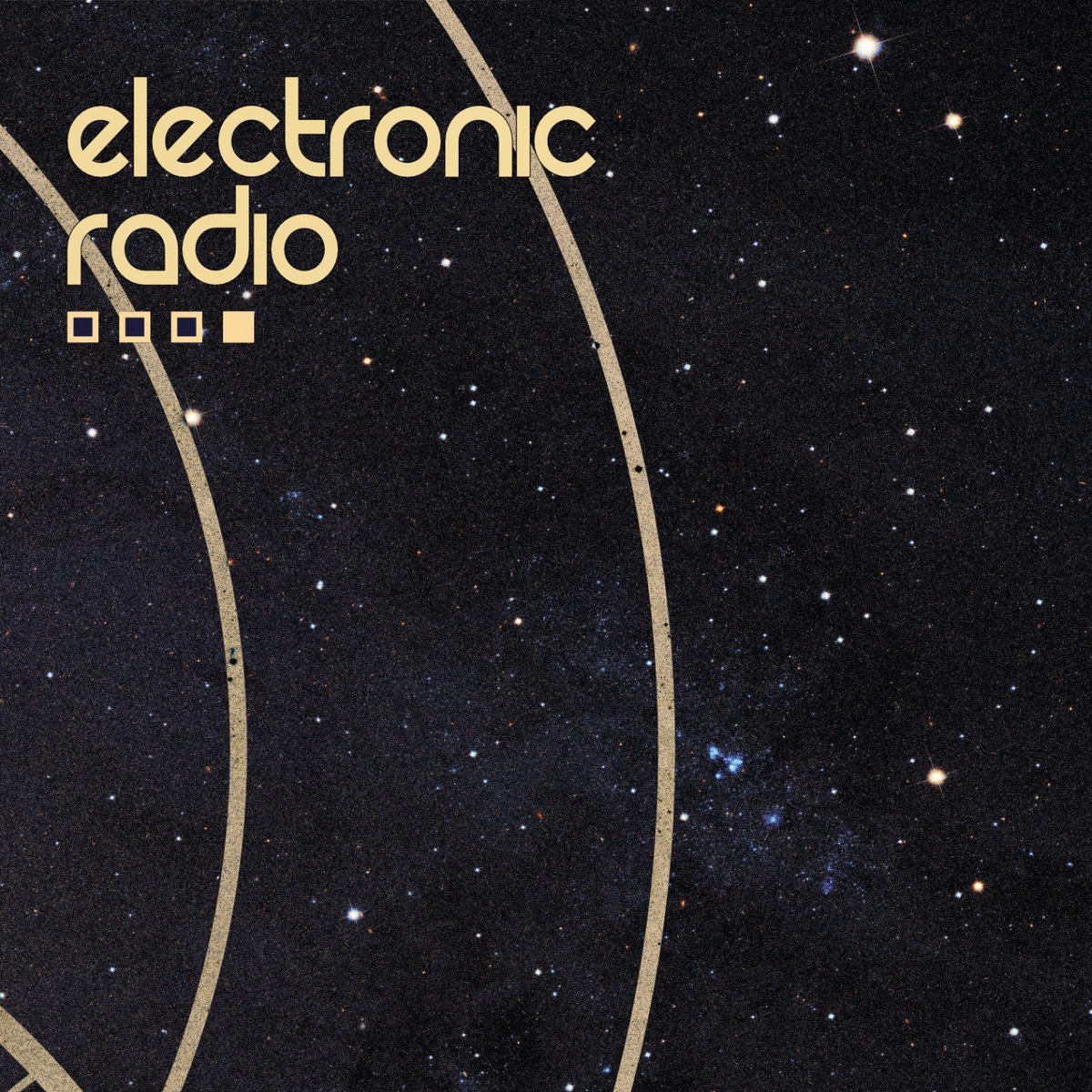
The stone-hound has no checklist, only a nose, and a shelf of mismatched origins that insists on being read as a whole. Which brings us, by a signal path only a hoarder could love, to the Various Artists compilation (thirteen provenances, one lamp) and to Electronic Radio, whose title invites a hand to the dial.
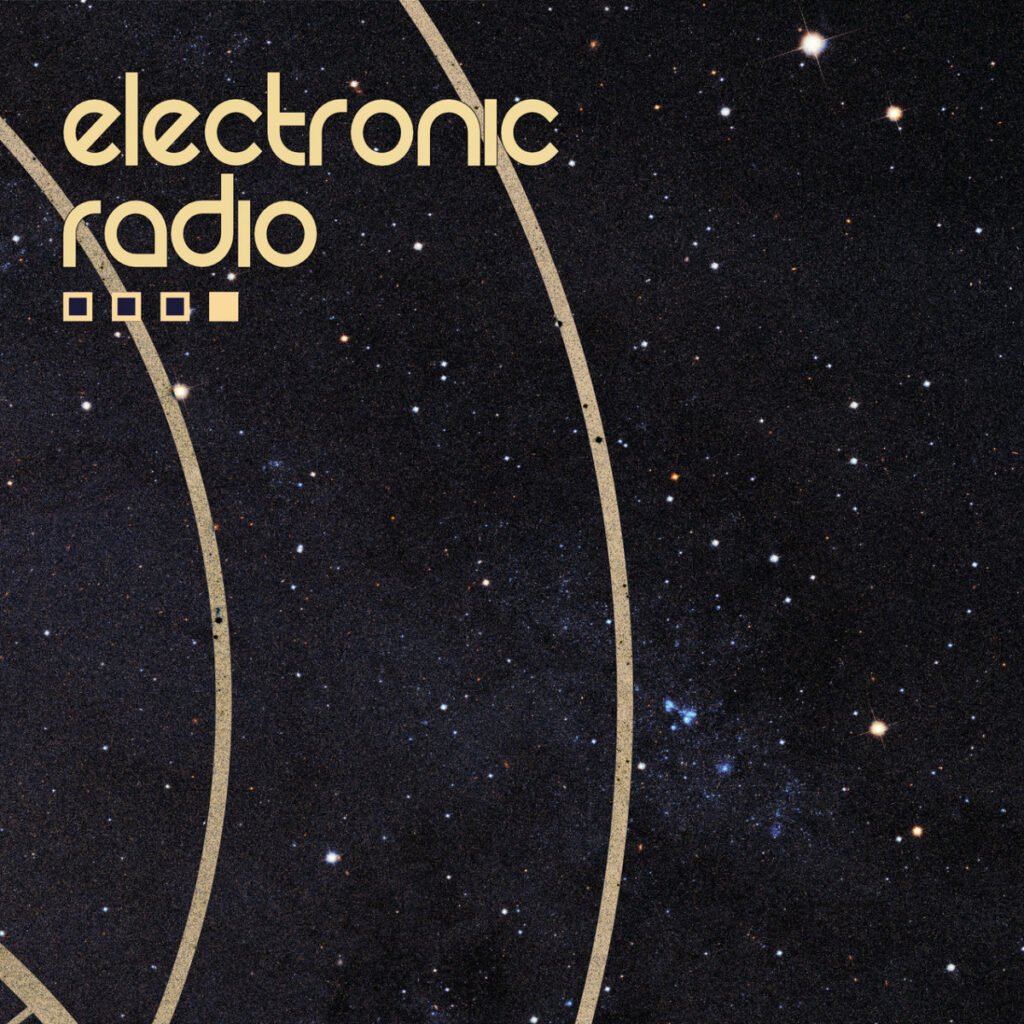
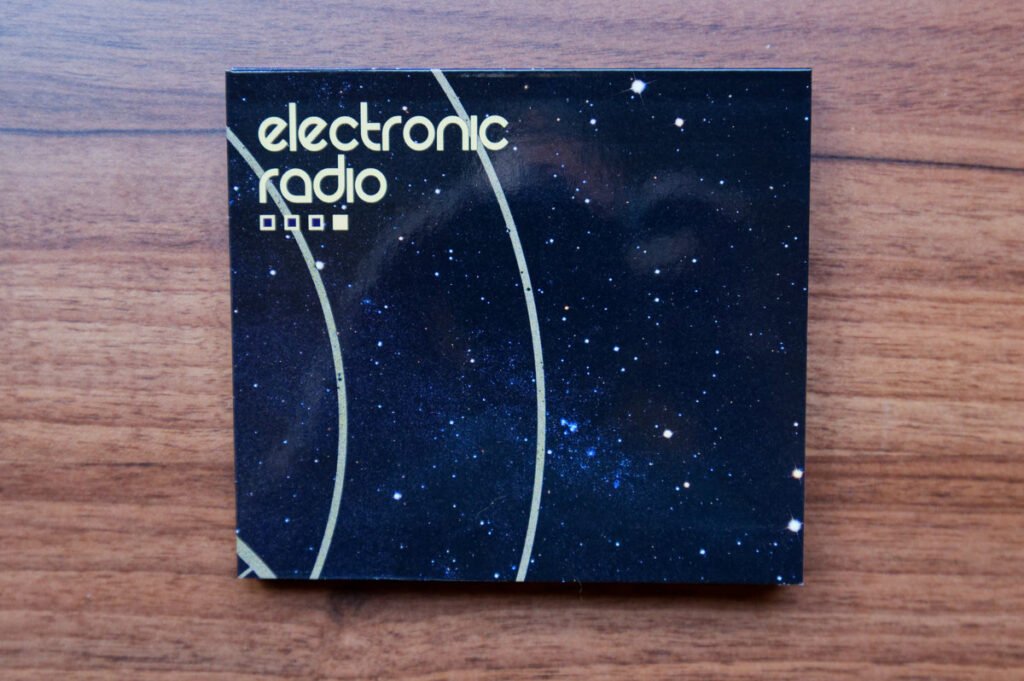
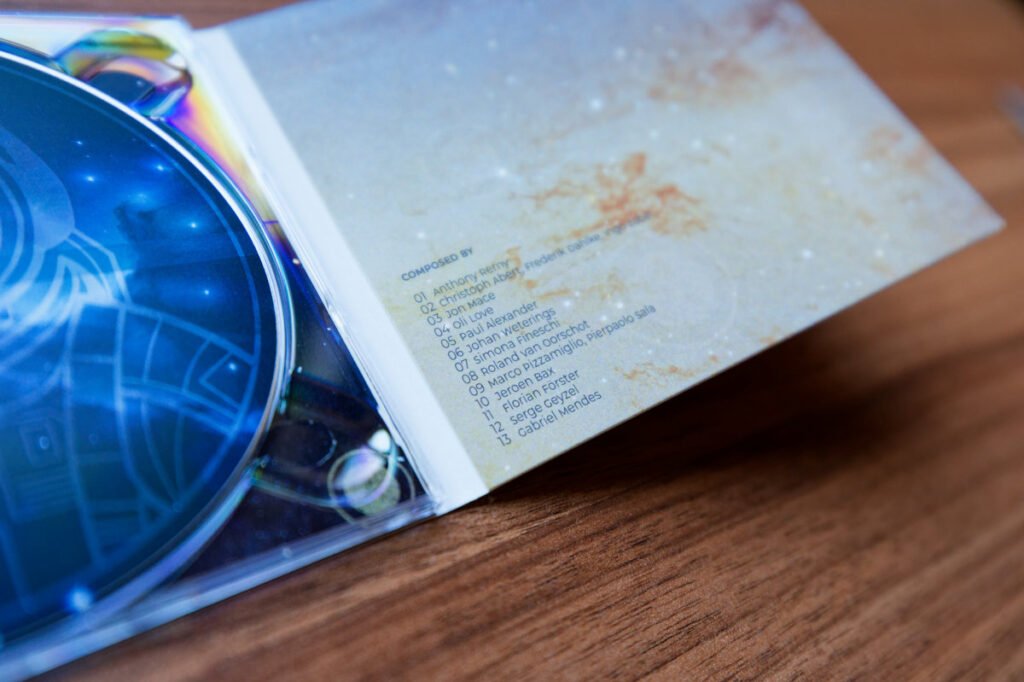
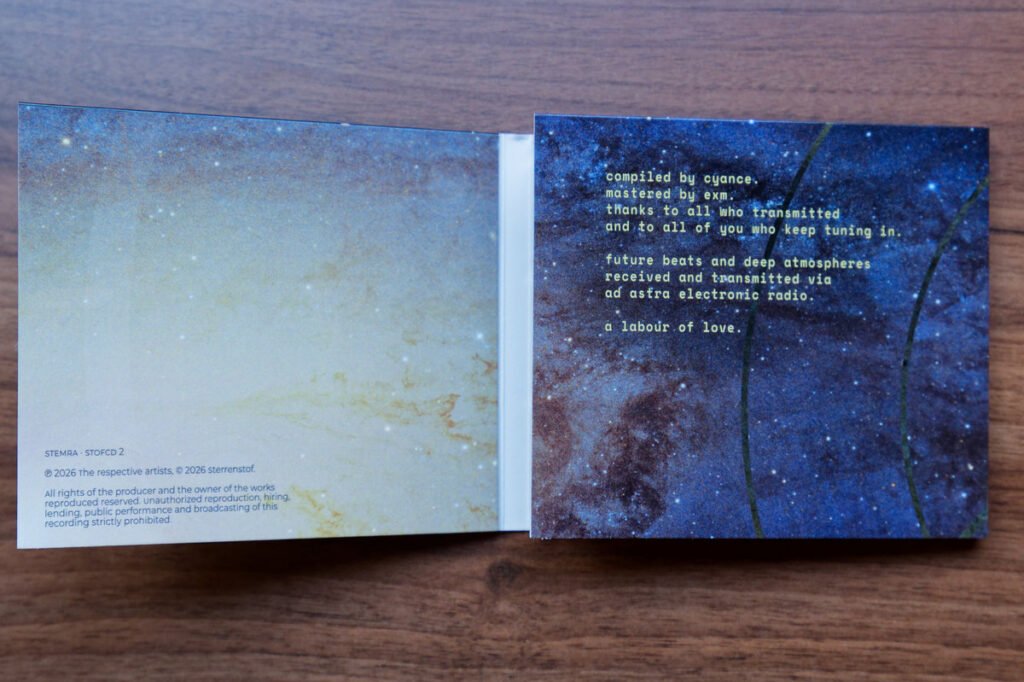
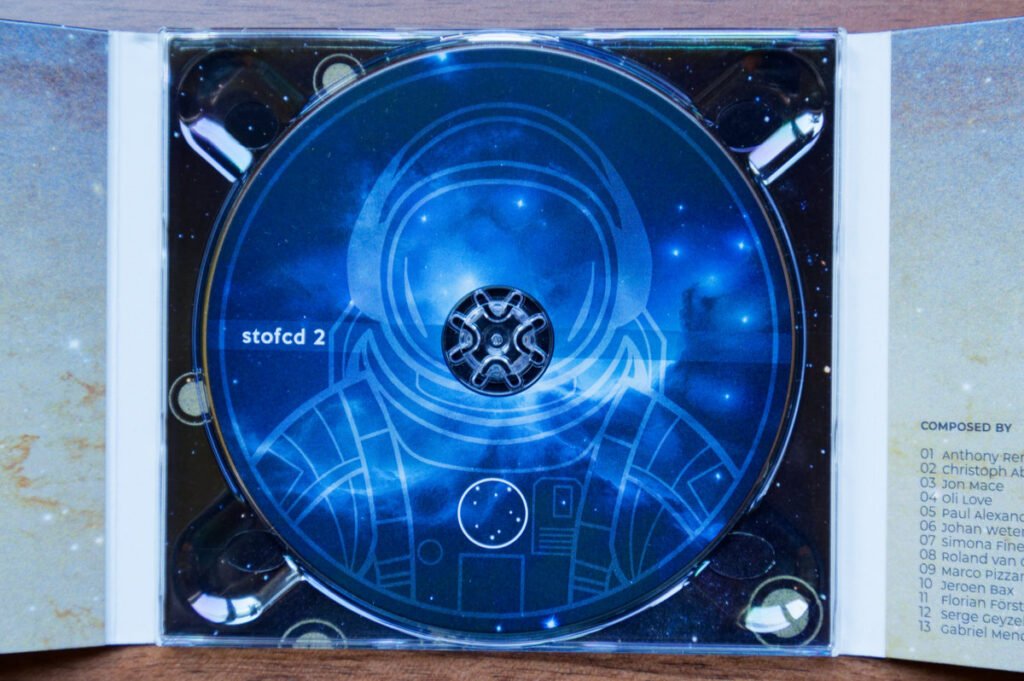
Electronic Radio (STOF 2) is the third release on Sterrenstof Records, the Netherlands imprint, following two from Moons ov Mars. The title earns its keep: the label’s boss also runs Ad Astra Electronic Radio, and the compilation follows suit with its impressive variety. Cyance compiled and exm mastered, while a panoply of pan-European heavyweights, their styles ranging from techno and acid to ambient and IDM, draw influence from the likes of Warp’s Artificial Intelligence series and its golden era of innovation and sonic serendipity. This effort lands on 27 November 2026, digitally and on a limited run of 100 CDs.
Daylight opens the set: Mint Deluxe’s “Bara Kip Kerrie” pairs summery pads with a drum pause and an aggressive breakbeat return, bass pulses holding the floor for the party-weary. Dusk brings Drøn’s “Night Drive”, glassy chords and distorted bass stabs with a synthwave wink for late-night streets, and Inkipak’s “Swarm”, hymnal chords with a muted lead shadowing the bass, heartfelt and touched with melancholy.
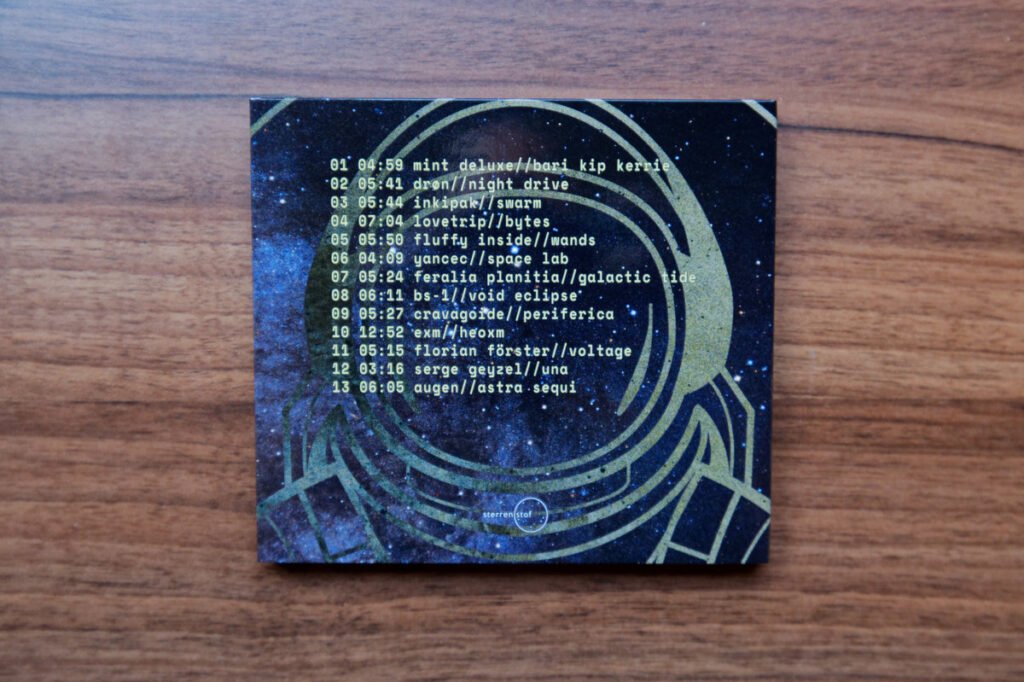
Darker weather gathers in Lovetrip’s “Bytes”, a troubled minor-mode dip into a deep sub arpeggio and a glassy, dissonant high synth, tight and clean as they come. Then the machines hold a funeral: Fluffy Inside’s “Wands”, a slow 303 acid dirge, is perhaps a service for a drum machine that gave all it could in its analogue lifetime, with Fluffy Inside as Funeral Director. Lovely service.
The mourners head for the floor. Yancec’s “Space Lab” fills it, come hell or high water, with stabby distorted techno and an infectious groove, a mildly darker final minute that never stops moving, and panning synths breaking the silences while nothing competes in stereo. Feralia Planitia’s “Galactic Tide” blooms from tight arpeggiated percussion into full synth notes before a snippy, classic electro groove takes over, and by now your legs are giving out. BS-1’s “Void Eclipse” slows the room into a haze of reverb, echo and white noise, wide dark pads beneath a grumbling bass whose filter is coaxed open and shut: a dark, rhythmically thick acid grind.
The standout is Cravagoide’s “Periferica”: solemn chords and distorted Italian speech as if heard through a broken radio, hauntological and full of character, with a mournful bass and sticky drums assembling a tapestry streaked with anemoia and longing. An absolute belter. exm’s “Heoxm” follows with chime-bright plinks, a fast 7/8 groove beneath a half-time melody and dirty distorted bass; beautiful, though it is a bit long and threatens to edge its neighbours off the map.
Florian Förster’s “Voltage” is the strangest specimen, a song of contrasts from the first bar: other-worldly synths, short psychedelic runs and metallic shimmer over a dirty bass loop, with softly calling birds behind. Serge Geyzel’s “Una” settles into slow Rhodes chords and sparse, very slow drums, all melancholy, before a monosynth run drenched in 80s vibe and tastefully bent pitch, and Augen’s “Astra Sequi” closes on spectral stabs over a warm drone, the signal fading out among the stars (Ad Astra, indeed).
Thirteen transmissions from thirteen different corners of the dial, and not a patch of dead air among them; the only adjustment left to make is the volume.