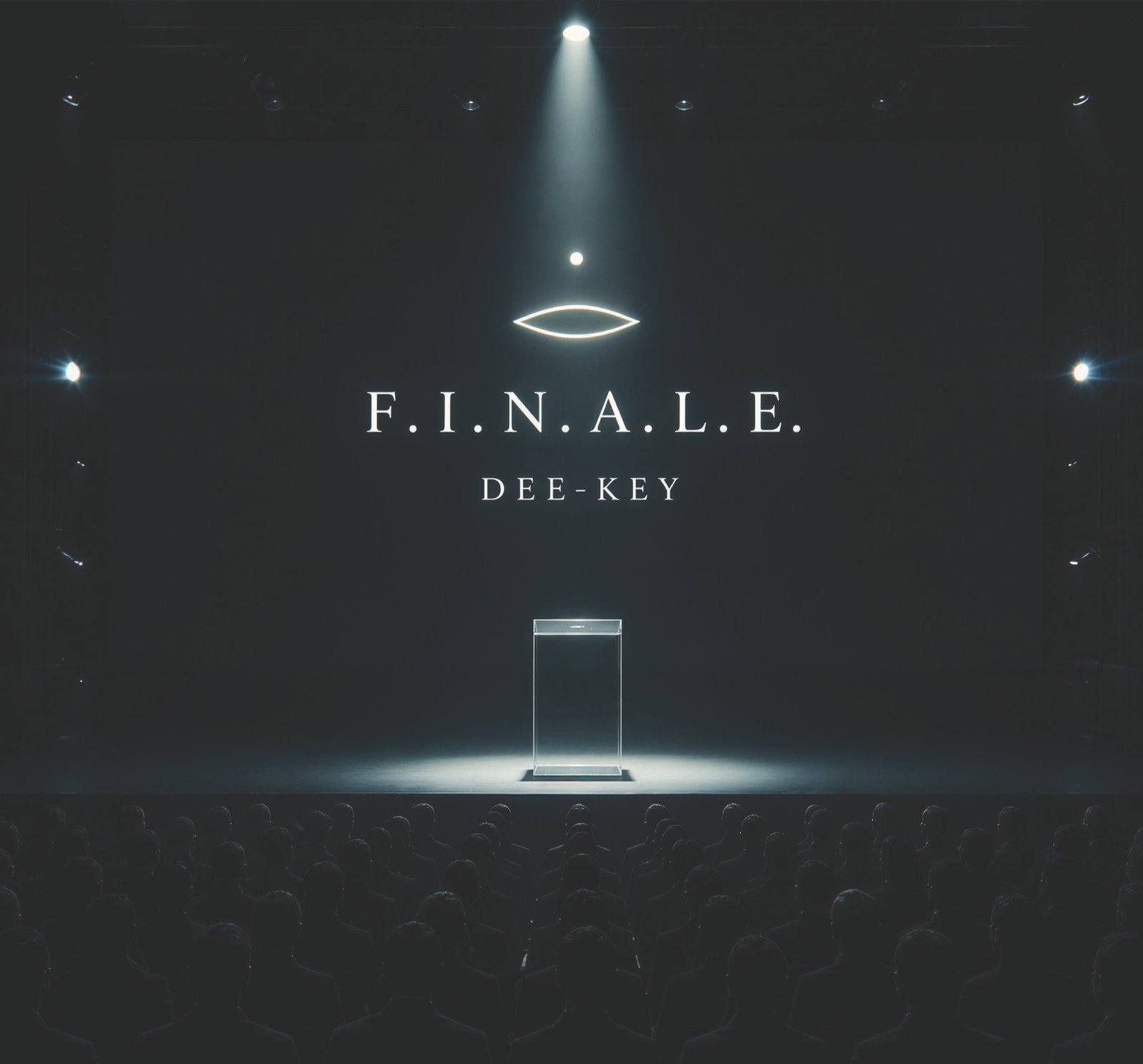
The record starts at its own ending, but the story starts earlier. In the 1990s, Dmitriy Kiselev was putting experimental electronics on Moscow’s airwaves through 106.8 FM and promoting it in clubs. He decided what deserved an audience, and then helped create one.
That instinct seems to carry through to today. Before directing features such as Black Lightning and The Spacewalker, he worked in music videos, television, editing and visual effects. His credits range from a 2004 Yu-Piter video to series including Londongrad and Kosti. Whether working with sound or moving image, Kiselev tends to be deeply involved in shaping the final result.
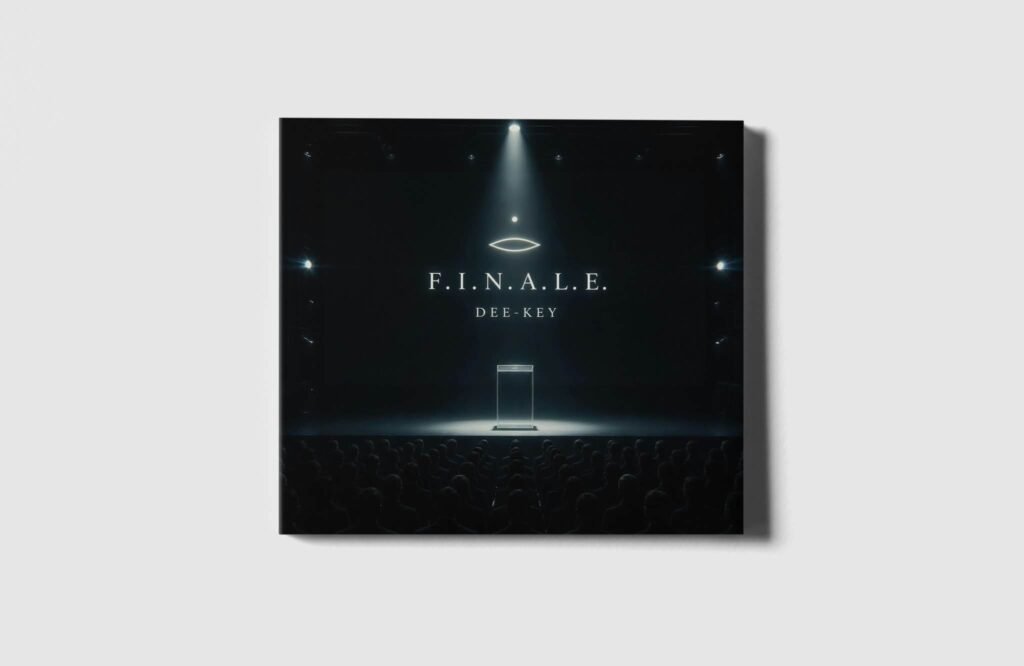
DEE-KEY is where those interests converge. Drawing on a classical background while moving comfortably through ambient, IDM, techno and cinematic electronica, the project resists tidy classification. F.I.N.A.L.E. arrives via Zoku – Zoku, self-described as England’s Northern-Most Music Label, and it occupies the overlap between those musical styles without settling permanently into any of them. At various points it brushes against braindance, downtempo, ambient and soundtrack work, yet never sounds beholden to any particular scene or lineage. This is an album guided by its own clear sense of internal logic.
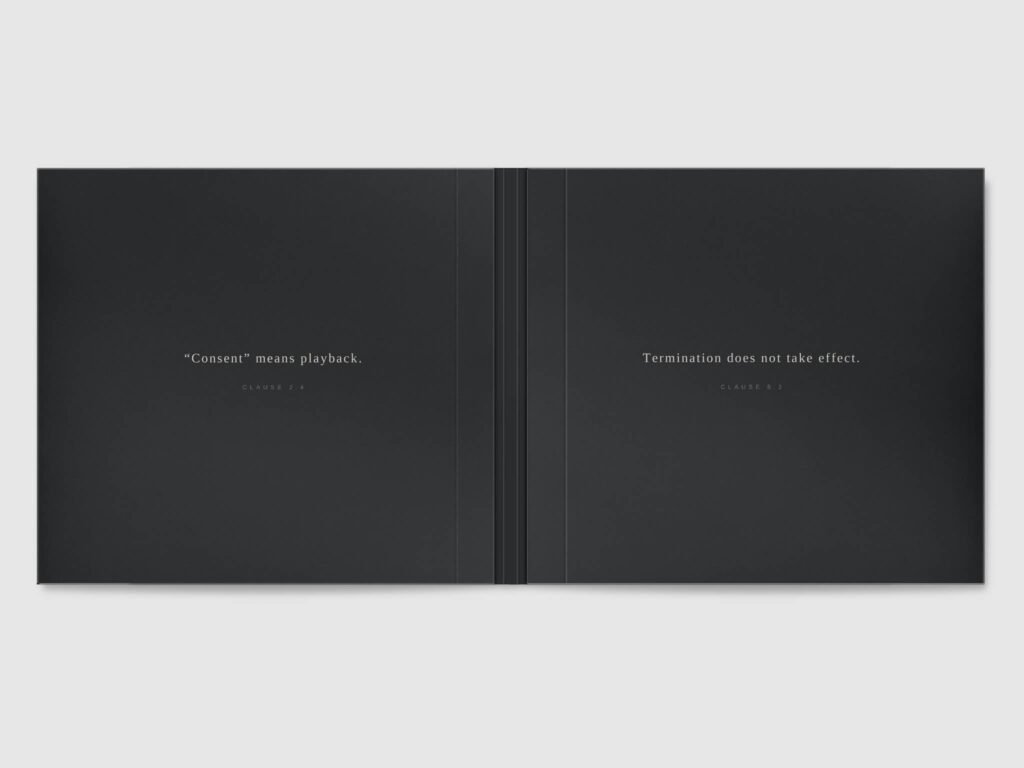
That logic appears immediately in the presentation. The accompanying bio, which frames the album as an End User Listening Agreement between the Listener and F.I.N.A.L.E. Holdings PLC, insists track titles be reproduced exactly as printed, and states that consent is granted simply by pressing play. Fortunately, the music proves just as committed to the concept as the paperwork.
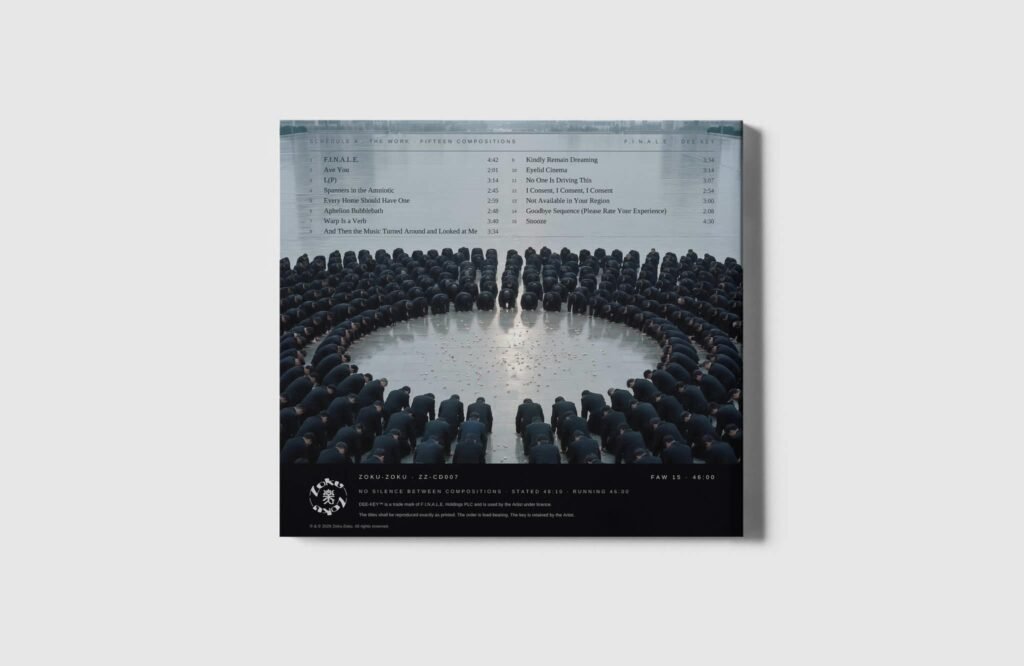
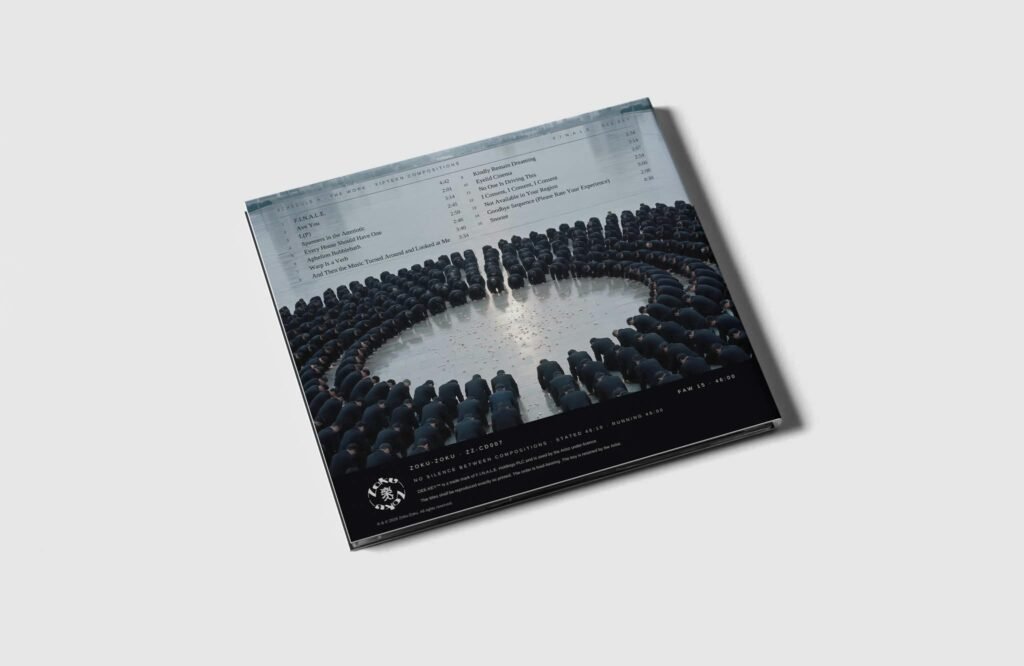
The opening run establishes the album’s peculiar balance of warmth and unease. The title track, “F.I.N.A.L.E.”, wraps its warnings of imminent extinction in gentle downtempo calm before terminating on a single reverb-soaked impact. “Ave You” follows with regal analogue melodies and degraded drum textures, while “L(P)” pushes further into uncertainty through dissonant harmonies and a cryptic spoken sequence that feels suspended between data transmission and numbers station broadcast. By the time “Spanners in the Amniotic” arrives with its broken-beat momentum and sharp IDM edge, the record has already established that it will not remain in one place for long.
F.I.N.A.L.E. remains engaging not because of its stylistic range alone, but the ease with which it moves between approaches. Ambient drift, braindance complexity, downtempo patience and cinematic atmosphere are treated as parts of the same vocabulary. “Every Home Should Have One” and “Aphelion Bubblebath” showcase Kiselev’s ear for texture and pacing, creating interest through subtle shifts rather than dramatic gestures. Elsewhere, “Warp Is a Verb” and “And Then the Music Turned Around and Looked at Me” blur the boundaries between electronic composition, sound design and narrative construction, one embracing melodic propulsion while the other unfolds more like an audio vignette.
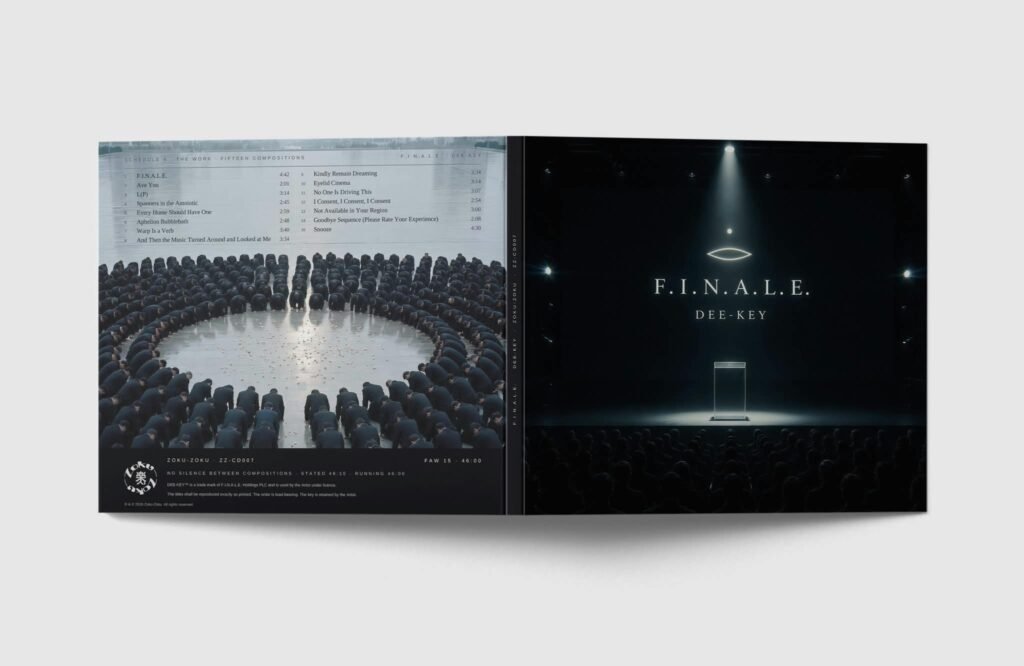
The album’s IDM side is equally strong. “Kindly Remain Dreaming” and “Eyelid Cinema” thrive on fractured rhythms, hyperedited detail and meticulous programming, yet never feel like technical exercises. Their complexity serves character rather than display. Throughout the record, voices appear and disappear as texture, glitches become compositional elements, and familiar electronic sounds are repeatedly nudged into unfamiliar shapes.
Late in the sequence the mood shifts again. “No One Is Driving This” provides one of the album’s most emotionally direct moments, while “I Consent I Consent I Consent” and “Not Available in Your Region” return to the record’s fascination with interruption, instability and systems language. The closing pair, “Goodbye Sequence (Please Rate Your Experience)” and “Snooze,” distill many of the album’s strengths into a final stretch that is dreamy, strange and quietly moving. As the closing track begins to destabilize and a voice calls the listener to wake up, the record completes its conceptual circle.
The promised termination never quite arrives. Instead, F.I.N.A.L.E. loops back on itself, turning its apocalypse into an invitation. Across ambient passages, braindance excursions, downtempo drift and moments of widescreen electronics, DEE-KEY maintains a remarkably coherent identity. The album’s greatest achievement is not its stylistic range but the confidence with which it navigates that range, treating genre as a palette and not a destination. The agreement may insist the experience has concluded, but the only sensible response is to press play again.
Written by Jonathan Bishop. Jonathan is a writer, and the Editor and Founder of ChoonReview. His engagement with electronic music began in the late 1980s through early industrial acts such as Skinny Puppy, Coil and Ministry, and that interest soon spread into other styles such as Plunderphonics (John Oswald, Negativland, Stock, Hausen & Walkman et al). When IDM exploded onto the scene in the early 1990s, he became utterly immersed in it and that devotion has stayed with him ever since. Today Jonathan works as an engineer and sound designer, with Bitwig Studio as his primary creation platform. The hands-on knowledge of sound design and production that comes with that work shapes how he listens to and writes about the releases that reach ChoonReview.
F.I.N.A.L.E. by DEE-KEY releases on the 6th of November exclusively on Zoku – Zoku